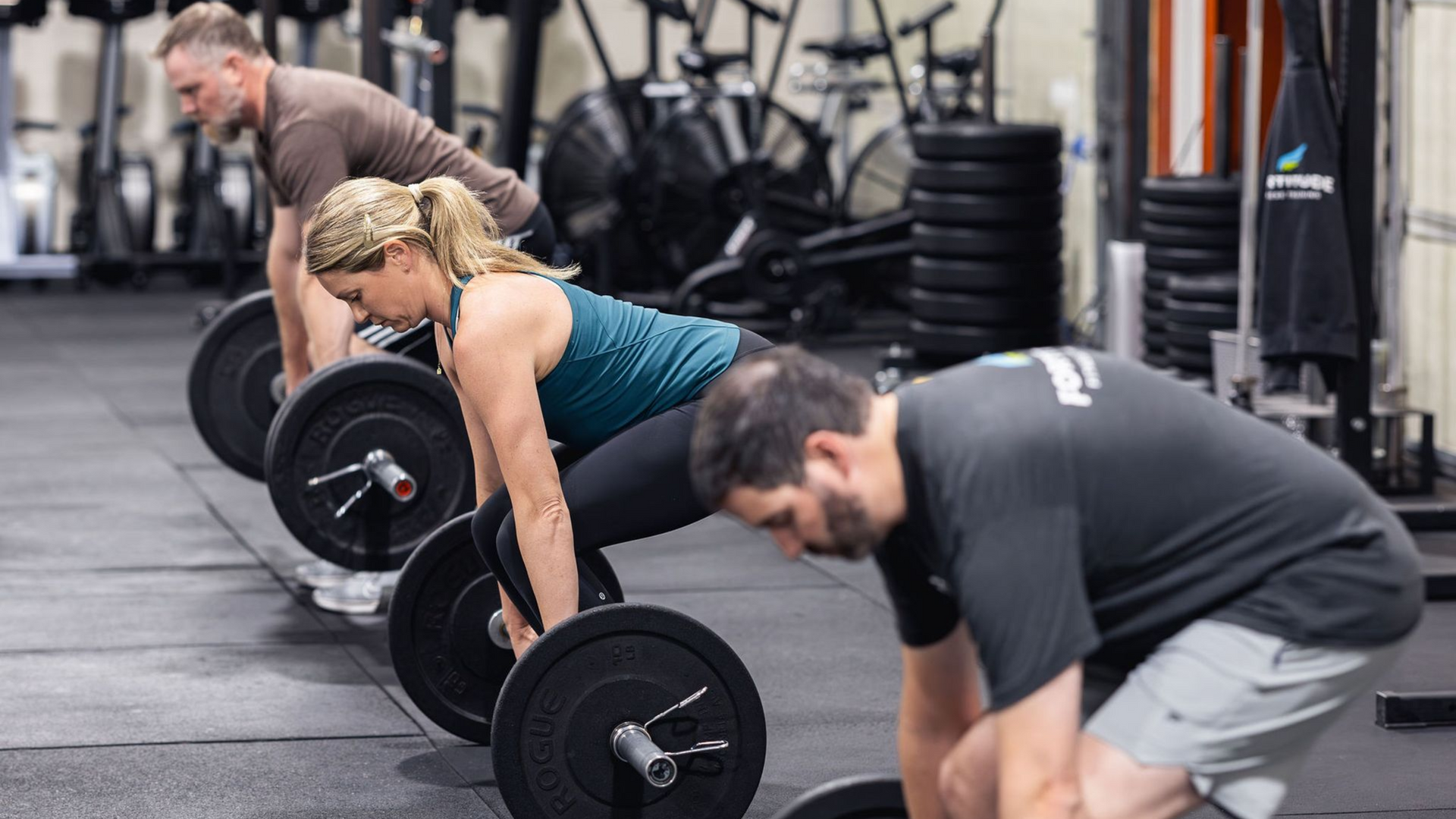
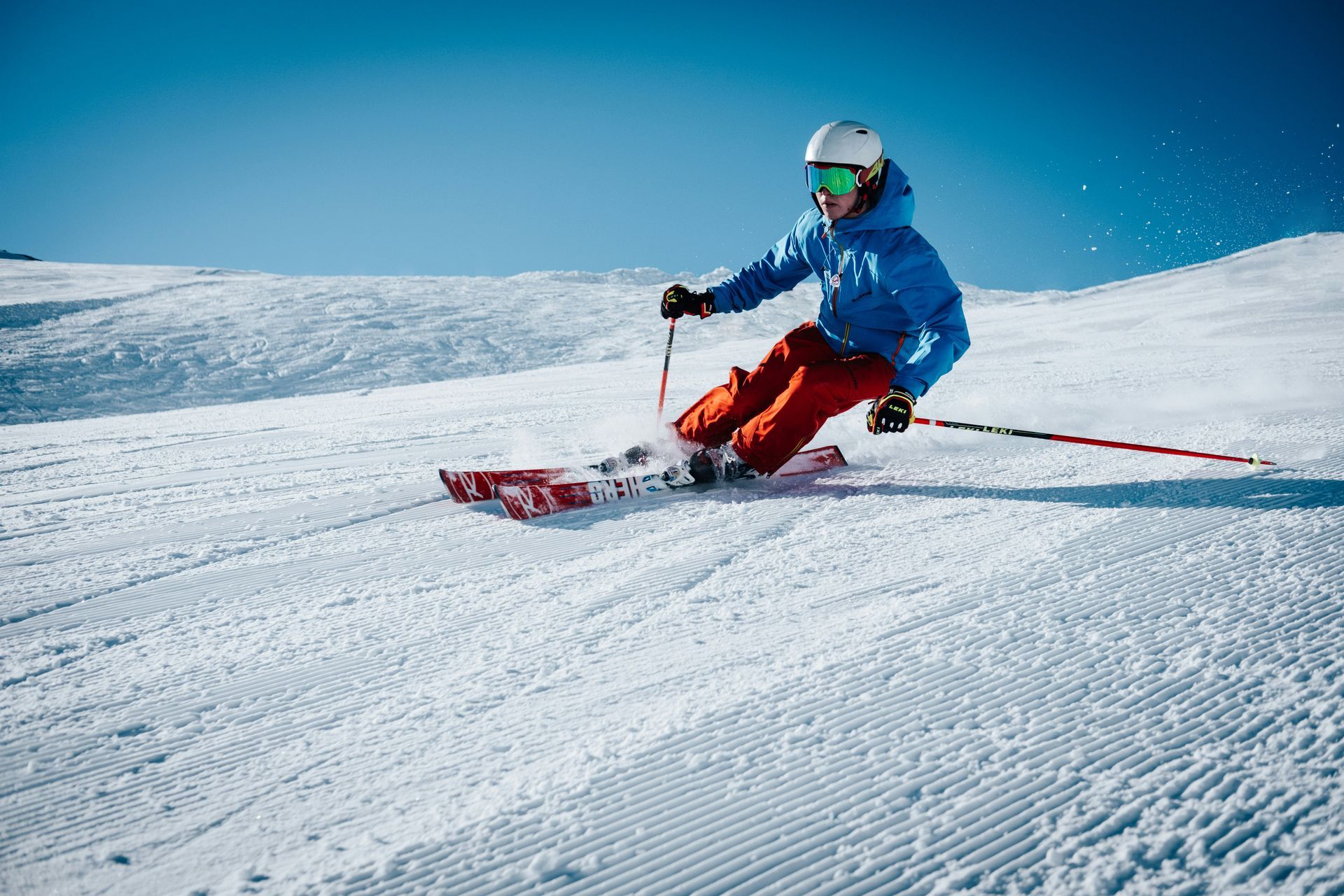
If you live in Bend, Oregon, winter isn't something to endure - it's something to celebrate. For many of us, the first snowfall means it's time to wax the skis, tune the snowboard, and start watching the Mt. Bachelor forecast. Whether you're carving groomers, floating through powder, skiing with your kids, snowboarding with friends, or exploring the backcountry, skiing and riding are part of what makes living in Central Oregon so special. But every fall I notice the same thing. People spend hundreds or even thousands of dollars on new skis, boots, bindings, and outerwear, yet they spend very little time preparing the one piece of equipment that matters most - their body. That's why we've been offering our Ski & Snowboard Conditioning Program at Fortitude Fitness Training in Bend for the past six years. Why Take a Ski Conditioning Class? Your first day on the mountain shouldn't be your first day preparing your body. Skiing and snowboarding are physically demanding sports that require far more than strong legs. Every run challenges your strength, endurance, balance, coordination, mobility, and ability to react quickly to changing terrain. Whether you're skiing at Mt. Bachelor, taking trips to Whistler, Tahoe, Sun Valley, or the Dolomites, or simply hopin g to keep up with your family this winter, being physically prepared allows you to enjoy every day on the mountain even more. Instead of spending December trying to find your "ski legs," imagine starting the season already feeling strong, stable, and confident. Can Ski Conditioning Help Prevent Injuries? No exercise program can eliminate injuries completely. However, one of the biggest contributors to skiing and snowboarding injuries is fatigue. As your muscles tire, your technique changes. Knees begin collapsing inward, your hips stop absorbing force efficiently, reaction time slows, and falls become much more likely. The stronger and more conditioned you are before the season begins, the better your body can maintain good movement patterns after several hours on the mountain. Our goal isn't simply to make you stronger. It's to build a body that's resilient enough to enjoy long ski days while reducing unnecessary stress on your knees, hips, back, and shoulders. The Muscle Groups Every Skier and Snowboarder Should Train Many people think skiing is all about the quadriceps. While strong quads are important, they're only one part of the equation. Our program focuses on developing the muscles that contribute most to skiing performance and injury prevention: Glutes Your glutes generate power, stabilize your hips, and help protect your knees while turning and absorbing terrain. Hamstrings Strong hamstrings balance the workload of the quadriceps and help stabilize the knee during quick changes in direction. Core Your core transfers power between your upper and lower body while helping maintain posture, control, and balance throughout every run. Hips Hip strength and mobility improve edge control, balance, and efficient movement while reducing unnecessary stress on the knees. Lower Legs Your calves and ankles constantly adjust to changing snow conditions and help you stay balanced over your skis or snowboard. Upper Body Strong shoulders, back, and grip improve pole plants, stability, carrying equipment, and recovering from unexpected movements. Why We Include Plyometrics One of the biggest differences between skiing and traditional gym workouts is the speed at which your body must react. A hidden bump, icy section, tree well, or another skier crossing your path requires your muscles to absorb force and immediately create force again. That's exactly what plyometric training develops. Our classes include appropriately scaled jumping, landing, and reactive drills that improve: Explosive power Balance Coordination Reaction time Confidence on uneven terrain Everything is scaled to the individual's experience and ability. Whether you're 25 or 65, beginner or expert, we meet you where you are. What You'll Do in Our Ski Conditioning Program Every session is designed specifically for skiing and snowboarding—not just general fitness. You'll work on: Dynamic mobility and movement preparation Functional strength training Single-leg balance and stability Rotational core strength Plyometric power development Cardiovascular intervals that mimic skiing Flexibility and recovery work Each workout is coached by experienced trainers who provide modifications so every participant can train safely and effectively. Why Ski Conditioning Makes Sense in Bend Living in Bend means staying active all year. Mountain biking turns into skiing. Trail running becomes snowshoeing. Pickleball becomes powder days. Our community doesn't stop moving when winter arrives - it simply changes sports. The purpose of Ski Conditioning is to make that seasonal transition smoother. Our members consistently tell us they notice: Less soreness after ski weekends Better endurance from first chair to last chair More confidence skiing steeper terrain Better balance in challenging snow Faster recovery between ski days Greater confidence skiing with family and friends Why I Love Teaching Ski Conditioning I've been skiing and snowboarding for well over four decades, and I still get excited every time that first storm rolls into the Cascades. There's something unforgettable about loading the chairlift on a bluebird morning, hearing fresh snow under your skis, finding powder stashes with friends, or watching someone experience their first great day on the mountain. Those experiences are why I continue to love winter. For the past 22 years , I've also had the privilege of coaching Ski Conditioning classes. The workouts are fun, but what really keeps me coming back are the conversations after ski season. Members tell me they felt stronger than ever. They skied longer without getting exhausted. They tackled runs they'd avoided for years. They kept up with their kids or grandkids. Most importantly, they simply enjoyed skiing more. Helping people experience that kind of confidence on the mountain is one of the most rewarding parts of my job. Join Our Ski Conditioning Program in Bend Whether your goal is to ski stronger, avoid injuries, improve endurance, or simply enjoy more days on the mountain, our Ski Conditioning program is built to help you get there. The class is designed for adults of all fitness levels. Whether you've never followed a structured workout program or you're already an experienced athlete, our coaches will meet you where you are and help you progress safely. Winter will be here before you know it. Start preparing now so that when opening day arrives, your body is just as ready as your skis. Ready for Your Best Ski Season? Our Ski & Snowboard Conditioning Program begins each fall at Fortitude Fitness Training in Bend, Oregon . We can't control the snowfall. But together, we can make sure you're ready when it arrives.

Explore how personalized coaching helps manage chronic pain. Improve movement quality & resilience. Start your journey today!